

aabet | Understanding Jueteng: The Controversial Numbers Game
Understanding Jueteng: The Controversial Numbers Game
Jueteng, a popular numbers game in the Philippines, has long been a subject of both fascination and controversy. Labelled as an illegal numbers game, jueteng holds deep cultural roots among various Filipino communities. Over the years, the issue surrounding jueteng has been intertwined with discussions on legality, governance, and societal impact.Novibet
The Historical Context of Jueteng
Originating during the Spanish colonial era, jueteng has evolved considerably. Initially a simple pastime, it transformed into an organized gaming network, deeply embedded within Filipino society. Despite various administrations' efforts to combat it, jueteng has persisted due to its adaptability and strong grassroots connections.5yybet
The Mechanics of Jueteng
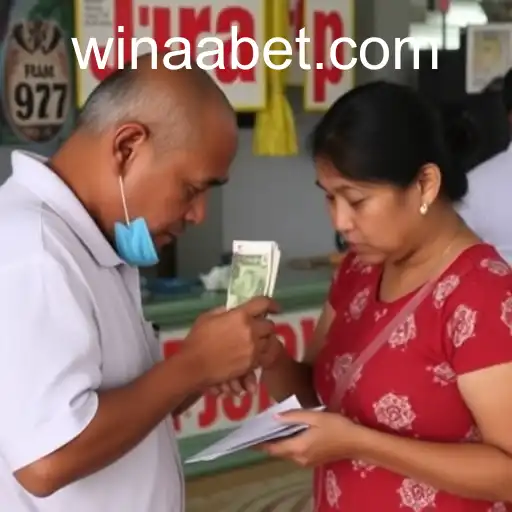
Jueteng is deceptively simple. Bet collectors, known as "kubradores," roam communities, collecting bets from eager participants. Players choose two numbers, typically from 1 to 37, with a small wager. If their numbers match those drawn at random, they win a substantial cash prize. The allure of quick money and its accessible nature makes jueteng appealing.
The Societal Impact of Jueteng
The ramifications of jueteng are multifaceted. For many, jueteng serves as a financial crutch, offering hope in times of economic desolation. For others, it represents a pervasive vice undermining societal values. Nevertheless, jueteng's operations provide employment opportunities, albeit in an illegal framework, sustaining countless families.
Economic Considerations
In economically struggling regions, jueteng is a double-edged sword. On one hand, it injects liquidity into local economies, stimulating commerce. Kubradores and operators thrive, channeling funds back into their communities. However, its illegal nature means government-endorsed programs miss out on potential revenues, posing significant policy challenges.apuesta360
Government and Legal Challenges
Throughout the years, numerous efforts have been made to legalize or eradicate jueteng, highlighting the precarious balance between strict law enforcement and socio-economic needs. Attempts to integrate jueteng into the Small Town Lottery (STL) framework have been met with varying degrees of success.
Regulatory Measures
Despite stringent laws aimed at eliminating jueteng, enforcement remains challenging. Corruption at various governmental levels complicates matters further, with some officials reported to partake in or receive proceeds from operations. Efforts to grant formal recognition through STL have stumbled over financial irregularities and implementation barriers.
Cultural Dimensions
Jueteng's persistence is deeply tied to Filipino culture, where gambling is often seen as a recreational activity rather than a moral failing. The game weaves stories of dreams, aspirations, and the courage to defy odds, with many embracing it as part of their heritage despite its illegality.
A Symbol of Resilience
For many, engaging in jueteng is not just about monetary gain but represents a cultural touchstone, exposing the resilient spirit of Filipinos. It thrives in informal settings, sharing space with other domestic games like sabong or mahjong, embodying a unique social experience.
Aabet and Its Role in the Jueteng Landscape
In recent times, the term aabet has emerged within dynamics of jueteng, reflecting evolving facets of the game. While its specific application can vary, aabet often refers to novel attempts or changes in strategies among bet collectors or players, underscoring the game's adaptability.Pak33
Innovation within Tradition
These shifts signify a broader narrative of adaptation. They highlight how jueteng, while seemingly simple, continuously adjusts in response to socio-economic conditions, government crackdowns, and cultural evolution. Such resilience underscores the game’s enduring presence, which does not easily reconcile with straightforward legal or ethical resolutions.
In conclusion, jueteng's entrenchment within Filipino society poses ongoing challenges and opportunities for stakeholders aiming to address its complexities. The game remains an undeniable fixture, representing more than just an illegal activity but a manifestation of socio-cultural realities.
slotvibe

Google Sitemap